
Before an FDA investigator asks a single question or looks at a single record, they hand someone a one-page form: Notice of Inspection, Form FDA 482. It is easy to treat as paperwork to route to the right person and move past. It is actually the document that tells you what kind of visit this is and what authority it rests on — worth reading closely in the first few minutes, not filed for later.
What the form does and doesn’t establish
Section 704(a) of the FD&C Act gives FDA the authority to enter and inspect, at reasonable times and within reasonable limits, facilities that manufacture, process, pack, or hold FDA-regulated products for interstate commerce — including the equipment, materials, containers, and labeling on site. Form 482 is how an investigator documents that this specific visit is being conducted under that authority. It states the purpose of the visit and is presented alongside the investigator’s FDA credentials, which is worth checking before anything else — you are entitled to see identification confirming who you are dealing with. What the form does not do is tell you anything about the outcome. It carries no judgment about your facility; that only starts to take shape once the walkthrough, record review, and interviews are underway, and it isn’t final until FDA issues an inspection classification afterward.
The first hour matters more than people expect
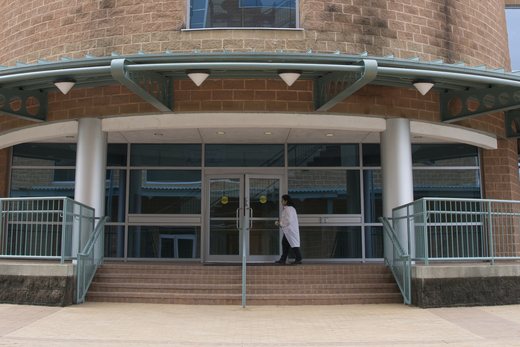
Domestic inspections are usually unannounced, so the practical work starts the moment the investigator arrives, not before. Have a clear internal process for who greets the investigator, who serves as the point of contact for records requests, and who accompanies the investigator through the facility and takes contemporaneous notes of what is asked and shown — that note becomes your own record of the visit, distinct from whatever the investigator writes down. If the person who should host the inspection isn’t available, you can ask for a brief, reasonable delay; you cannot decline the inspection outright. Refusing entry or otherwise limiting an inspection conducted under proper authority is its own prohibited act under Section 301(f) of the Act (21 U.S.C. § 331(f)), and it creates a problem independent of whatever the inspection would have found. Cooperation, not confrontation, is what keeps a routine inspection routine.
Where people get stuck
Treating the notice as a formality
Reading it tells you the stated scope of the visit. If questions or requests later drift outside that scope, having read the notice is what lets you notice.
Not checking credentials
It costs nothing to confirm identification before the visit proceeds, and it is a normal, expected step — not a confrontational one.
Improvising who handles the visit
Deciding in the moment who greets the investigator and who pulls records wastes the calmest window you have to make a good impression. Have the roles assigned before an investigator ever shows up.
Most inspections end without incident, and the notice itself is rarely the interesting part of the story afterward. But it is the document that starts the clock, and reading it carefully — instead of past it — is what puts you in a position to host the rest of the visit well, whether it ends in nothing notable or in a Form FDA 483 you’ll need to respond to.
Sources & further reading
- Federal Food, Drug, and Cosmetic Act — Section 704, Factory Inspection, 21 U.S.C. § 374 fda.gov
- FDA — Inspections, Compliance, Enforcement, and Criminal Investigations fda.gov
- Regulatory Academy — How to Read a Form FDA 483 regulatoryacademy.com
- Regulatory Academy — How to Read an FDA Inspection Classification regulatoryacademy.com
- Regulatory Academy — How to Write an FDA 483 Response regulatoryacademy.com
This essay is provided for general educational purposes and reflects the regulatory landscape as of its publication date. It is not legal, regulatory, or career advice.