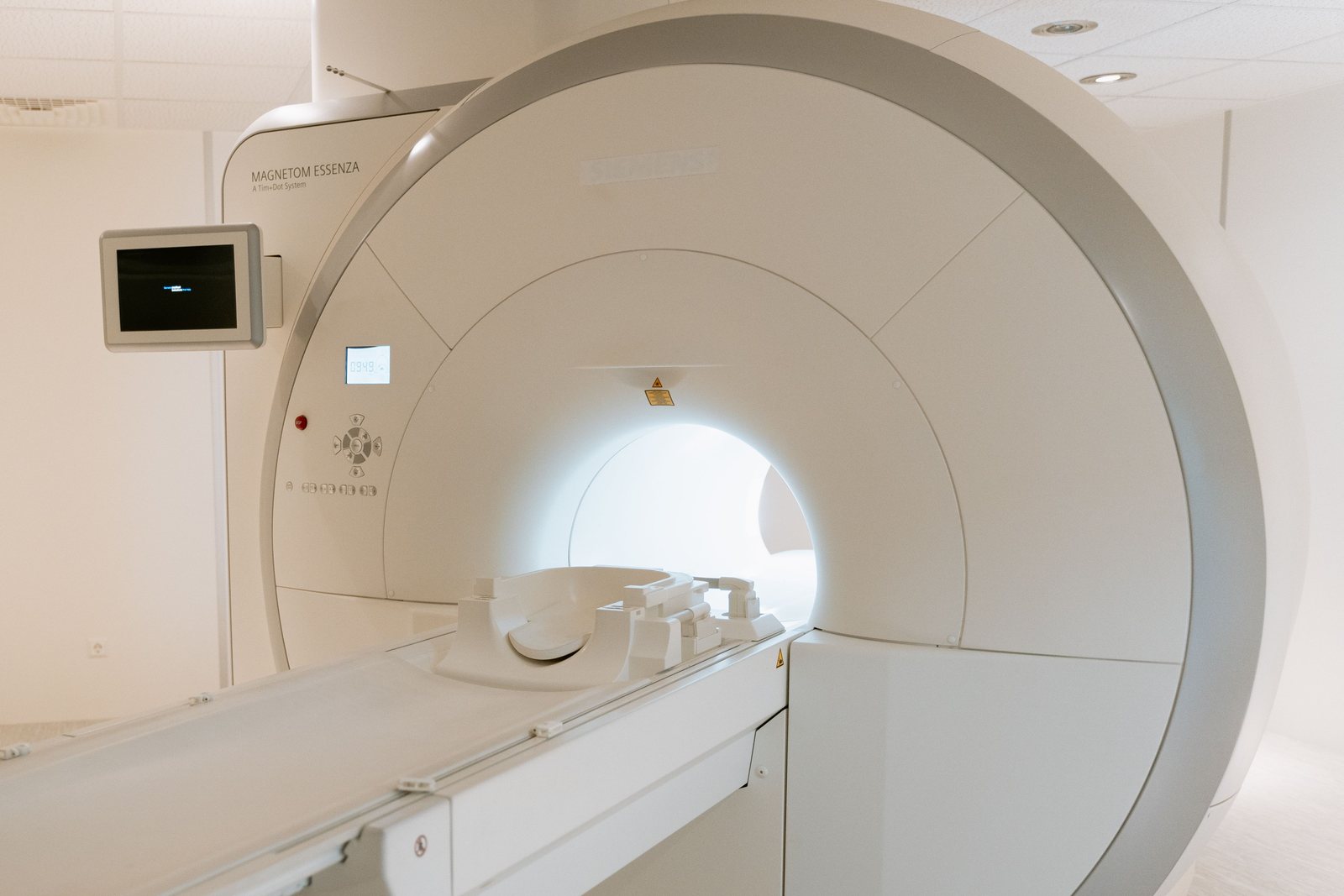

Most device teams meet the 510(k) the hard way: a launch date already promised, a pathway chosen by someone else, and a regulation everyone quotes and nobody reads. This course is the antidote. Five lessons follow one premarket notification end to end — what substantial equivalence actually is, how the predicate gets chosen and defended, which of the three 510(k) types fits, what the eSTAR file must contain, and how the review really runs, through the SE letter and the obligations that follow it.
The syllabus
-
What a 510(k) actually is — and what clearance means
Everyone calls it “FDA approval for devices.” It is neither an approval nor about your device alone — and that difference decides the whole file.
-
How to choose a 510(k) predicate — and defend it
The predicate is not a formality. It is the question your entire file answers — so choose it the way the reviewer will read it, record by record.
-
Traditional, Special, or Abbreviated — choosing your 510(k)
Three doors into the same finding of substantial equivalence. The right one depends on what changed — and who holds the device it changed from.
-
Building the 510(k) — eSTAR, screening, and the testing burden
The file is a testing programme wrapped in a template. The template is mandatory now — and it will not let you leave the hard parts blank.

-
The 510(k) review — from submission to the SE letter
Ninety FDA days is not ninety calendar days. Here is the review as the tracker actually shows it — and the obligations that begin when the letter lands.

- The clearance check — course quiz Ten questions, two from each lesson, scored on the page. Nothing recorded, no signup — the fastest way to find the lesson worth rereading.
How to take it
In order, ideally — the lessons build. Part one sets the doctrine every later argument leans on; parts two through four make the decisions in the order a real programme makes them; part five walks the review those decisions produced. Each lesson stands alone if you need it to, and they cross-link where the arguments touch. There is no signup, no syllabus gate, and no fee: the whole course, like everything in the library, is free and stays that way.
Take it if you are inheriting a device programme, moving into devices from the drug side, preparing for the RAC, or checking a consultant’s homework. By the end you will know what the file argues, what the clock actually promises, and where 510(k)s genuinely go wrong — which is rarely where the folklore says.